




What is BCAA Supplement: Uses, Benefits & More

Supplements are no longer a “hardcore gym” thing; they’ve become an everyday essential for gym-goers. A U.S. survey-based analysis reported that about 61% of adults used dietary supplements. That is a big number, and it shows how normal these products have become for regular people, not just athletes.
Even so, not every supplement is needed. People should know what they are taking and why. Branched-Chain Amino Acids (BCAAs) is one of those products many gym-goers talk about. It is a group of amino acids commonly used to support workouts and recovery. They are called “essential” because the body cannot produce them on its own and must get them from food or supplements.
BCAAs consist of three essential amino acids: Leucine, Isoleucine, and Valine, which play a role in muscle support and recovery. It is often used as an intra workout option because it’s easy to sip during training without feeling heavy. Some like BCAA supplements, while some don’t notice much. It depends on diet, training, and recovery habits. Many people try Branched-Chain Amino Acid (BCAA) supplements because they want something light around workouts. Let us know why.
What Are Amino Acids?
Amino acids are small parts that make up protein. When a person eats protein, the body breaks it down into amino acids. Then the body uses them to build and repair tissue. This includes muscle, skin, and more.
Amino acids also help the body make enzymes and hormones. That is why protein matters in daily food. When someone trains, the body needs more repair. Food is the base. Supplements only support the base. Protein plays a key role here because it supports repair after training, which is why protein in sports nutrition is often discussed in fitness basics.
Essential Amino Acids (Leucine, Isoleucine & Valine)
The body cannot make essential amino acids, and hence they are called essential. They must come from food or supplements, which is why many people buy whey protein powder to meet their daily needs.

BCAA has three essential amino acids:
● Leucine: Often linked with muscle-building signals.
● Isoleucine: Supports energy use during training and recovery.
● Valine: Supports muscle work and tissue repair.
These three are called “branched-chain amino acids” because of their shape. People take them because muscles can use them during and after training.
Non-Essential Amino Acids
Non-essential amino acids are still useful, but the body can make them. So most people should focus on eating enough good protein first. If food is weak, results stay weak. That is true even if someone takes many supplements.
So a simple rule helps: fix meals first, then add extras if needed. Some people still add Muscle recovery supplements later, but it works better when food and sleep are already decent.
What Is BCAA Used For?
1) A light option during training
Some people do not like eating before exercise. A heavy meal can feel bad. BCAA feels easy to drink.
2) Long workouts
If a workout is long, some people sip BCAA during the session.
3) When meals are far apart
If a person trains but cannot eat soon, BCAA is sometimes used as a small supplement until a meal.
BCAA is not a replacement for protein. It is only a small part of the full picture of amino acids. That is why many people keep their main focus on food and protein first, then add BCAA supplements if it fits their routine.
When To Take BCAA?
Timing is simple:
● Before training: helpful if someone trains early and has not eaten.
● During training: useful in long sessions, or when someone wants something easy to sip.
● After training: useful when the next meal is delayed.
If a person eats enough protein daily, the timing matters less. If a person often skips meals, timing matters more. Many people also use other Muscle recovery supplements to address what their routine lacks, such as protein, fluids, or rest.
Also Read: Difference between Macronutrients and Micronutrients
| Point | BCAA | EAA |
| What it has | 3 essential amino acids | All essential amino acids |
| Best for | Simple use around workouts | Better full amino support |
| Works well when | Daily protein is already okay | Daily protein is not consistent |
| Easy for beginners | Yes | Yes, but depends on goals |
As a gym supplements for beginners, EAA is the better all-around pick, while BCAA suits simple workout-time support.
BCAA vs Whey Protein
People mix these up, so let’s keep it very clear.
BCAA is only three amino acids. Whey protein is a complete protein. That means whey has many amino acids, including BCAAs.
So, if the goal is to hit daily protein needs, whey usually makes more sense as a main item. That is why many people choose to buy whey protein powder when they want an easier way to meet protein targets.
BCAA can still be useful. Some people use it when they cannot eat before training, or when they want something lighter than a shake. For most routines, protein for muscle recovery still comes back to the same basics: enough total protein across the day, then small add-ons only if they genuinely help.
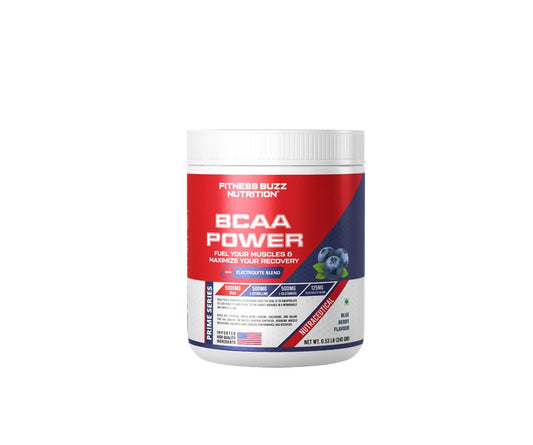
 BCAA Power Supplement |
 Re-covery |
 Super Whey Protein |
How Much BCAA Should You Take Daily? (Dosage)
There is no single perfect dose for everyone. Most people follow the label on the product. Body weight, training load, and diet matter.
A simple way to decide:
● If daily protein is strong, BCAA is optional.
● If daily protein is weak, fix protein first.
Some people try BCAAs and feel they help them stay steady during training. Others do not notice much. That happens. Training, sleep, water, and food still do most of the work. People sometimes add BCAA supplements along with better sleep and meals, and then think BCAA did everything. Usually, it’s the full routine helping.
BCAA Benefits for Muscle Recovery
Many people use BCAA as part of recovery support. Some people feel less soreness or feel better in the next session. But results are not the same for everyone. Food and sleep still matter the most.
In simple terms, BCAA for muscle recovery works best when it supports a solid routine, not when it tries to replace one.
Conclusion
BCAA is a supplement made from three essential amino acids. People use it during workouts because it is lightweight and easy to use. It may help some people, especially when meals are far apart. But it is not a magic fix. The basics still matter most: good food, enough protein, water, sleep, and steady training.
At FB Nutrition, we keep things simple and practical, so people can build a routine that actually sticks. If you want help choosing the right Muscle recovery supplements for your goal and training style, explore our product range today and pick what fits your plan.
FAQs
Is BCAA safe for daily use?
For most healthy adults, BCAA is usually fine when used as directed. If someone has a medical condition or takes medicines, it is safer to ask a doctor.
Should I take BCAA before or after a workout?
Either is fine. Many people take it before or during training if they train on a light stomach. After training is useful when a meal is delayed.
Is BCAA useful if I already take protein supplements?
Sometimes, but not always. If protein intake is already strong, BCAA is more of an extra than a must-have.
Can BCAA improve workout performance?
It may help some people feel better in long sessions. But it is not guaranteed. Training and recovery habits matter more.
Who can take BCAA?
People who train often, do long workouts, or struggle to eat close to training may try it. Anyone with health issues should check first.

