




Zinc, Magnesium & Vitamin B6: Benefits, Uses & How They Work Together

Zinc, magnesium and vitamin B6 are three important nutrients involved in vital processes such as immune function, muscle activity, energy metabolism and protein use. Zinc is an essential mineral that plays a structural role in over 200 enzymes involved in immune function and metabolism; magnesium acts as a cofactor in more than 300 to 600 enzymatic reactions, including energy production, muscle contraction, and DNA synthesis; and vitamin B6 helps in more than 140 enzymatic reactions, mostly related to amino acid metabolism and neurotransmitter synthesis. These three nutrients- zinc, magnesium & vitamin B6 are often combined because they have different but complementary roles in overall body function. A supplement can provide them together, while each nutrient still performs its own job. In this blog, we'll cover their benefits, food sources, recommended intake, supplement considerations, and how they fit into everyday nutrition.
What Are Zinc, Magnesium & Vitamin B6?
What Is Zinc?
Zinc is a vital element that the body needs for immune function, DNA and protein synthesis, cell division, wound healing and growth. It is found in foods such as meat, seafood, dairy products, beans, nuts and fortified foods.
What Is Magnesium?
Magnesium is an essential mineral involved in muscle and nerve function, energy production, protein synthesis, blood glucose control and bone health. It is found in nuts, seeds, legumes, whole grains and green leafy vegetables.
What Is Vitamin B6?
Vitamin B6 is a water-soluble vitamin involved in more than 140 enzyme reactions, including amino acid metabolism and energy-related processes. It also contributes to an increased immune function.
| Nutrient | What it Does |
| Zinc | Supports immune function, protein synthesis, cell division and wound healing. |
| Magnesium | Supports muscle and nerve function, energy production and protein synthesis. |
| Vitamin B6 | Helps with amino acid metabolism, energy metabolism and improved immune function. |
These nutrients are part of a broader nutrition plan rather than replacements for balanced meals. For readers interested in recovery, our guide on: What is Muscle Recovery can provide useful context on how nutrition fits into post-exercise repair.
Benefits of Zinc, Magnesium & Vitamin B6
Together, these nutrients support several body processes, including immunity, muscle function, energy metabolism and protein metabolism. Their benefits are linked to their individual biological roles.
Supports Immune System
Zinc is required for better immune system activity and helps support cellular processes involved in the body's defence system. Adequate zinc intake is therefore important for an improved immune function.
Regulates Muscle and Nerve Functions
Magnesium helps regulate muscle and nerve function and participates in processes that allow muscles to contract and relax normally.
Support Energy Metabolism
Vitamin B6 helps enzymes involved in metabolism, including processes that use carbohydrates, fats and proteins. It therefore contributes to energy metabolism.
Enhances Protein Metabolism
Zinc and magnesium are involved in protein synthesis, while vitamin B6 plays an important role in amino acid metabolism. Together, they contribute to protein-related processes.
Promotes Muscle Recovery
They can contribute to processes involved in muscle function and protein metabolism. However, muscle recovery supplements cannot replace adequate protein, calories, hydration, sleep and a suitable training plan.
Helps with Sleep and Relaxation
Magnesium is involved in nerve and muscle function, which is one reason it appears in products used around bedtime. However, these nutrients should not be presented as guaranteed treatments for sleep problems.
How Do Zinc, Magnesium & Vitamin B6 Work Together?
Zinc supports immune and protein-related processes, magnesium contributes to muscle, nerve and energy functions, and vitamin B6 helps with amino acid and energy metabolism. Combining them provides different nutrients in one serving, but they do not become one nutrient or perform the same job.
Zinc
Zinc contributes to immune function, protein synthesis and cellular processes. Its role remains independent even when it is combined with magnesium and vitamin B6. A zinc-containing supplement is not a substitute for a balanced diet or medical treatment.
Magnesium
Magnesium supports hundreds of enzyme systems, including those involved in energy production, muscle function and protein synthesis. People comparing products should focus on the actual nutrient amount rather than assuming that every mineral formula has the same composition.
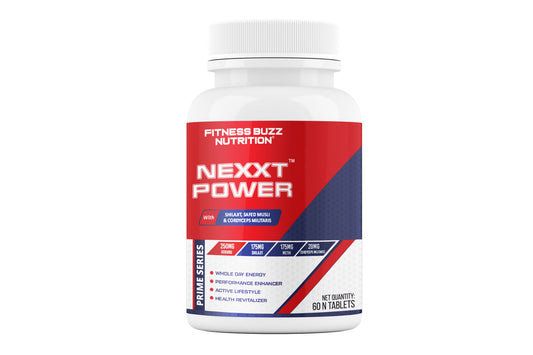
Tip: If you’re looking to buy a testosterone booster supplement, then FB Nutrition’s Nexxt Power is the perfect fit for you.
Vitamin B6
Vitamin B6 helps enzymes involved in metabolism and amino acid processing. Its presence alongside zinc and magnesium gives the formula a broader nutrient profile rather than changing what either mineral does.
Zinc, Magnesium & Vitamin B6 for Muscle Recovery
How Does Magnesium Support Muscle Function?
Magnesium supports muscle and nerve function and is involved in energy production. Adequate intake helps the body maintain these processes during regular physical activity.
What Role Does Zinc Play in Protein Metabolism?
Zinc contributes to protein synthesis and several enzyme functions involved in cellular metabolism. This makes adequate zinc intake relevant to protein-related processes after exercise.
How Does Vitamin B6 Support Energy Metabolism?
Vitamin B6 helps enzymes process amino acids and supports metabolic reactions that contribute to energy production. Adequate intake therefore supports metabolism during active lifestyles.
Does Zinc, Magnesium & Vitamin B6 Help With Recovery?
These nutrients support physiological processes linked with muscle function, energy metabolism and protein use. However, recovery also depends on training load, food intake, hydration and adequate rest.
Recovery does not happen from one nutrient alone. Training, nutrition and sleep all matter. Especially sleep, it is an important part of understanding the recovery process. For a much deeper knowledge you can read our blog on sleep for muscle recovery.
Zinc, Magnesium & Vitamin B6 for Sleep
Can Zinc, Magnesium & Vitamin B6 Support Sleep?
They may support overall body functions related to relaxation and metabolism, particularly magnesium's role in nerve and muscle function. However, evidence does not support presenting this combination as a guaranteed sleep aid.
Why Is Magnesium Commonly Used in Nighttime Supplements?
Magnesium is commonly included because it contributes to muscle and nerve function. This makes it a practical ingredient in some nighttime nutrition products, although it should not be confused with the best multivitamin supplement online, which can have a much broader nutrient profile.
When Should You Take Zinc, Magnesium & Vitamin B6?
Timing depends on the product directions and individual tolerance. Some products are designed for evening use, while others may be taken with meals. Always follow the product label.
Sleep habits also matter alongside supplementation. If hormonal health is part of your fitness interest then read our guide on: How Sleep Affects Testosterone.
Top Mineral-Rich Foods for Your Daily Diet
Zinc-Rich Foods
Good food sources include oysters, meat, poultry, dairy products, beans, nuts and fortified cereals. The amount absorbed can vary depending on the food and overall diet.
Magnesium-Rich Foods
Useful sources include pumpkin seeds, almonds, legumes, whole grains, spinach and other green leafy vegetables.
Vitamin B6-Rich Foods
Vitamin B6 is found in poultry, fish, organ meats, potatoes, other starchy vegetables and several fruits.
Can You Get All Three Nutrients From Food?
A varied diet can provide all three nutrients through foods such as meat, fish, legumes, nuts, seeds, whole grains and vegetables.
| Nutrient | Example Food Sources |
| Zinc | Seafood, meat, dairy, beans, nuts |
| Magnesium | Seeds, nuts, legumes, whole grains |
| Vitamin B6 | Fish, poultry, potatoes, fruit |
Food should remain the foundation of nutrition. People considering muscle recovery supplements can use food intake as the starting point before deciding if supplementation fits their needs.
How Much Zinc, Magnesium & Vitamin B6 Do You Need?
Needs vary by age, gender, and life stage. For adults, reports list zinc at 8 mg for women and 11 mg for men, magnesium at 310 to 420 mg depending on gender, and vitamin B6 at 1.3 mg for adults aged 19 to 50.
Zinc
Adult men generally need 11 mg per day and adult women need 8 mg per day under RDA guidance. The adult upper limit is 40 mg per day from all sources.
Magnesium
Adult men generally need 400 to 420 mg daily, while adult women generally need 310 to 320 mg. The upper limit of 350 mg applies specifically to magnesium from supplements and medications, not food magnesium.
Vitamin B6
Adults aged 19 to 50 generally need 1.3 mg daily. Requirements increase for older adults, with different values for men and women.
What Does FB Nutrition ZMB Supplement Provide?
According to the supplied product label, one capsule provides 440 mg magnesium, 17 mg zinc and 2.4 mg vitamin B6. If you’re looking to buy a testosterone booster supplement, then you should check the total nutrient intake across all products.
Best Time to Take Zinc, Magnesium & Vitamin B6
Can You Take Them Before Bed?
FB Nutrition ZMB is intended for bedtime use according to the product information supplied for this article. Taking it at night can fit easily into an evening supplement routine.
Should You Take Them With Food?
Follow the product directions and consider individual tolerance. Zinc supplements can cause stomach discomfort in some people, so taking supplements with food may be useful when the label permits.
Can You Take Zinc, Magnesium & Vitamin B6 Together?
They can be included together in a single formula. FB Nutrition's recommended usage is one capsule daily before bedtime, according to the supplied product information.
Are Zinc, Magnesium & Vitamin B6 Safe?
For healthy adults, these nutrients are essential, but excessive supplemental intake can cause problems. Total intake from food, supplements and other products should be considered.
Side Effects of Zinc
Excessive zinc can cause nausea, dizziness, headaches, stomach upset, vomiting and reduced appetite. Long-term high intake can also interfere with copper status.
Side Effects of Magnesium
High amounts of supplemental magnesium can cause diarrhoea, nausea and abdominal cramping. The supplemental upper limit is 350 mg per day for adults, although this does not apply to magnesium naturally present in food.
Side Effects of Vitamin B6
Long-term high supplemental intake can cause nerve damage. Vitamin B6 therefore should not be taken in excessive amounts simply because it is water-soluble.
Risks of Excessive Supplementation
Excessive supplemental intake can cause adverse effects. This is why people using the best multivitamin supplement online should check its zinc, magnesium and B6 content before adding another formula.
Who Should Consult a Healthcare Professional?
People who are pregnant, have kidney problems, take regular medicines, have diagnosed nutrient deficiencies or use several supplements should seek professional advice before starting a new supplement.
How Do You Choose a Zinc, Magnesium & Vitamin B6 Supplement?
Check the Actual Nutrient Amounts
Look at the amount of each nutrient per serving rather than relying only on the product name or marketing claims.
Check the Ingredient Forms
Mineral forms can differ between products. For example, the supplied FB Nutrition ZMB formula uses magnesium oxide and zinc oxide.
Match It With Your Existing Supplements
Check your current products for overlapping nutrients. This is especially useful if you already use muscle recovery supplements or a multivitamin.
Follow the Serving Instructions
Choose a product with clear directions and use the stated serving rather than increasing the amount without a valid reason.
Check the Product Label
Look for serving size, nutrient quantities, ingredient forms, added ingredients and storage information before purchasing. This also helps when comparing products online.
For people building a broader fitness nutrition plan reading our guide on: Best Supplements for Muscle Recovery can help put individual supplements into a larger dietary context.
What Is FB Nutrition ZMB Supplement?
FB Nutrition ZMB combines zinc, magnesium & vitamin B6 in a single capsule. According to the supplied product label, each capsule provides 440 mg magnesium, 17 mg zinc and 2.4 mg vitamin B6. The product information also lists magnesium oxide and zinc oxide as the mineral forms.
The recommended usage supplied for the product is one capsule daily before bedtime. The formula is described as having no added sugar and being low fat. These details make the product straightforward to compare with other mineral formulas.
The product should be considered as part of an overall nutrition and fitness routine rather than a replacement for meals. People searching to buy a testosterone booster supplement should also assess each product according to its own ingredients and purpose.
For readers working on strength and fitness goals the FB Nutrition’s How to Build Muscles guide can provide useful context on training, nutrition and recovery.
What Is the Difference Between ZMB and ZMA?
ZMA is a registered trademark name associated with a specific formulation of zinc, magnesium and vitamin B6. formulation is linked to particular forms of the minerals, including zinc monomethionine aspartate and magnesium aspartate, along with vitamin B6. Its formulation follows defined ingredient specifications rather than allowing brands to freely change the mineral forms.
ZMB, on the other hand, is a generic term used by supplement brands for their own combinations of zinc, magnesium and vitamin B6. The amounts and chemical forms can therefore differ from one ZMB product to another. For example, FB Nutrition ZMB uses magnesium oxide and zinc oxide alongside vitamin B6.
For consumers, the name alone is not enough to compare these products. The nutrition label should be checked for the exact nutrient amounts, mineral forms, serving size and recommended usage.
Wrapping Up
Zinc, magnesium, & vitamin B6 each contribute to important functions involving immunity, muscle activity, energy metabolism and protein use. Their combination can offer a convenient way to include these nutrients in one supplement, but a balanced diet, proper training and sufficient sleep remain central to fitness and recovery.
As the best sports and fitness brand in India, FB Nutrition offers supplements designed for people with active lifestyles. We focus on clear product formulations and practical nutrition choices. Our ZMB formula provides the three specified nutrients in one capsule for convenient daily use. Check the product details and choose the nutrition support that fits your routine.
Frequently Asked Questions (FAQs)
What are the benefits of zinc, magnesium and vitamin B6?
They support immune function, muscle and nerve activity, energy metabolism, protein-related processes and other physiological functions.
How do zinc, magnesium and vitamin B6 work together?
Each nutrient performs its own role, with zinc supporting immunity and protein processes, magnesium supporting muscles and nerves, and B6 supporting metabolism.
Can zinc, magnesium and vitamin B6 help with sleep?
They support body functions linked with metabolism, muscles and nerves, but they should not be presented as guaranteed treatments for sleep problems.
Are zinc, magnesium and vitamin B6 good for muscle recovery?
They contribute to muscle function, energy metabolism and protein-related processes, while recovery also depends on food, hydration, training and sleep.
When should you take zinc, magnesium and vitamin B6?
Timing depends on the specific product. FB Nutrition ZMB is recommended as one capsule daily before bedtime according to the supplied product information.
How much zinc, magnesium and vitamin B6 do you need?
Requirements depend on age and sex. Adult reference values include 8 to 11 mg zinc, 310 to 420 mg magnesium and 1.3 mg B6.
Can you take zinc, magnesium and vitamin B6 every day?
Daily use can depend on the product serving, diet, other supplements and individual needs. Follow the label and seek professional advice when appropriate.
What foods contain zinc, magnesium and vitamin B6?
Sources include seafood, meat, dairy, beans, nuts, seeds, whole grains, leafy vegetables, fish, poultry, potatoes and some fruits.
What is the difference between ZMB and ZMA?
Both names can refer to zinc, magnesium & vitamin B6 combinations, but formulations vary, so compare nutrient amounts and ingredient forms.
What should you look for in a zinc, magnesium and vitamin B6 supplement?
Check nutrient amounts, ingredient forms, serving size, recommended use, additional ingredients and how the formula fits with your existing supplement intake.

