




Omega-3 Fatty Acids: Types, Benefits, Importance and Dosage

A bottle that says “1,000 mg fish oil” may give you just 300 mg of EPA and DHA, two main types of omega-3. The National Institutes of Health lists this as a typical example, though amounts vary between products. That is why the big number on the front does not tell you everything.
If you have been looking into omega-3 for your heart or joints, the labels can leave you with more questions than answers. Is fish oil the same as omega-3? Can you get it from food? Do you need a supplement?
Before you buy omega 3 fish oil capsules online, it helps to understand the basics. This guide explains the different types, what they do, where to find them in food and what to check on a supplement label.
What Are Omega-3 Fatty Acids?
Omega-3 fatty acids are fats that support normal cell functions, including processes involving the heart, brain and eyes. The three main types are ALA, EPA and DHA.
ALA comes mainly from plant foods. Fish and other seafood provide EPA and DHA. Your body can convert some ALA into the other two, but only in small amounts.
Why Are Omega-3 Fatty Acids Important?
Omega-3 fatty acids are important because they form part of cell membranes and help support several normal body functions. DHA is particularly important in the brain and retina, while EPA and DHA are involved in the body’s inflammatory response.
Your body cannot make ALA, so you need to get it through food.
What Are the Three Main Types of Omega-3?
The three main types of omega-3 are ALA, EPA and DHA. They differ in their food sources and roles in the body.
| Type | Full name | Common sources | What to remember |
| ALA | Alpha-linolenic acid | Flaxseed, chia seeds, walnuts | The main omega-3 found in plants |
| EPA | Eicosapentaenoic acid | Fatty fish, fish oil | A long-chain omega-3 |
| DHA | Docosahexaenoic acid | Fatty fish, fish oil, algal oil | Found in high amounts in the brain and retina |
What Does Omega-3 Do for the Body?
Omega-3 helps support cell membranes, brain and eye function, and processes that regulate inflammation. EPA and DHA can also lower triglyceride levels.
The benefits depend on the type and amount of omega-3 you get, your diet and your health circumstances. It helps to understand those differences before you buy heart health supplements or add a new product to your routine.
How Does Omega-3 Support Heart Health?
EPA and DHA support heart health by helping lower triglycerides, a type of fat in the blood. Eating fish can also form part of a balanced diet.
If you have high triglycerides, a shop-bought capsule should not take the place of medical advice or treatment.
Can Omega-3 Support Joint Health?
Omega-3 may support joint health, but its usefulness depends on the condition causing the symptoms. EPA and DHA are involved in pathways that regulate the body’s inflammatory response.
That does not mean a capsule will solve every ache. Persistent joint pain needs an assessment of its cause.
What Is the Connection Between Omega-3 and Inflammation?
EPA and DHA help regulate inflammation by contributing to substances involved in the body’s inflammatory response.
Inflammation is part of the normal response to strain and injury. Supporting that response is different from treating an inflammatory condition, so fish oil should not be described as a cure.
Does Omega-3 Support Brain and Eye Health?
Yes, omega-3 supports normal brain and eye function, particularly through DHA, which is a component of cell membranes in the brain and retina.
Getting enough through your diet matters. Taking more than you need does not automatically improve memory or eyesight.
Does Omega-3 Support Exercise Recovery?
Omega-3 is not a guaranteed way to improve exercise recovery. Its role in regulating inflammation is relevant, but that alone does not establish that taking a supplement will help you recover faster.
Enough food, sensible training and proper sleep remain the foundations of recovery. Fish oil cannot do those jobs for you.
Omega-3 Benefits for Heart, Joints & Inflammation
Omega-3’s potential benefits include lowering triglycerides and helping regulate inflammatory processes. Its usefulness for joint symptoms depends on the underlying condition.
These effects should be considered separately rather than grouped into a promise that fish oil improves every aspect of health.
Omega-3 for Heart Health
EPA and DHA can lower triglyceride levels, which is one reason they are discussed in relation to heart health.
Look at your regular meals before deciding whether to add capsules. We cover the wider picture in our FB Nutrition guide to the role of nutrients and supplements for heart health.
If you want to buy heart health supplements and already have a heart condition, ask a healthcare professional what is appropriate for you.
Omega-3 for Joint Health
Omega-3 may help support joint comfort in some circumstances, but it does not address every cause of joint pain.
The evidence is more specific than a general promise of “better joints”. Pay attention to why you are considering a supplement, particularly if pain or stiffness keeps returning.
Omega-3 for Inflammation
EPA and DHA help the body make substances involved in regulating inflammation.
That explains why “omega 3 for inflammation” is a common search. It does not mean fish oil is a cure for inflammation or a reliable way to relieve all types of pain.
Omega-3 vs Fish Oil: What’s the Difference?
Omega-3 is a family of fats, while fish oil is one source of two of those fats: EPA and DHA.
Omega-3 also comes from other sources, including plants and algae. This distinction matters when you buy omega 3 fish oil capsules online.
What Is Omega-3?
Omega-3 is a group of fats that includes ALA, EPA and DHA. You can get these fats from foods or supplements, although different sources provide different types.
What Is Fish Oil?
Fish oil is oil extracted from fish that supplies the omega-3 fats EPA and DHA. Fish oil supplements vary in how much of each they contain.
Does Fish Oil Contain Omega-3?
Yes, fish oil contains omega-3, mainly EPA and DHA. Look for their individual amounts on the label to see how much a serving provides.
Is All Omega-3 Fish Oil?
No, omega-3 also comes from algal oil, krill oil, flaxseed, chia seeds, walnuts and some plant oils.
Most plant foods provide ALA, while marine sources can provide EPA, DHA or both.
Types of Omega-3 Supplements
Common omega-3 supplements include fish oil, krill oil, algal oil, cod liver oil and flaxseed oil. The main difference is which omega-3 fats they supply.
| Source | Omega-3 supplied | Check before buying |
| Fish oil | EPA and DHA | The amount of each per serving |
| Krill oil | EPA and DHA | Serving size and formulation |
| Algal oil | Usually DHA, sometimes EPA | Which fats the product contains |
| Cod liver oil | EPA and DHA | Its vitamin A and D amounts |
| Flaxseed oil | ALA | It does not provide EPA and DHA directly |
EPA vs DHA vs ALA: What’s the Difference?
ALA mainly comes from plant foods, while EPA and DHA are found in fish, seafood and some algal oils. Your body can turn ALA into EPA and DHA, but only in small amounts.
| Omega-3 | Full Name | Main Sources | Key Role |
| ALA | Alpha-linolenic acid | Flaxseed, chia seeds, walnuts and plant oils | An essential fat you must get from your diet; the body can convert a small amount into EPA and DHA |
| EPA | Eicosapentaenoic acid | Fish, seafood and fish oil | Helps regulate the body’s inflammatory response |
| DHA | Docosahexaenoic acid | Fish, seafood, fish oil and algal oil | Forms part of cell membranes, especially in the brain and retina |
These sources provide different types of omega-3. Walnuts and seeds supply ALA, while fish and suitable algal oils provide EPA or DHA directly.
Which Is More Important: EPA or DHA?
Neither EPA nor DHA is more important in every situation; both have roles in the body.
If you are comparing supplements, check how much of each the product contains rather than assuming that one is always better.
Who May Benefit From Getting More Omega-3?
People whose diets provide little omega-3 may benefit from reviewing their intake, especially if they rarely eat fatty fish or plant sources of ALA.
That does not mean everyone needs capsules. First, work out what you already get from food and whether a supplement would fill a specific gap. Understanding Macro vs Micronutrients can also help you see where dietary fats such as omega-3 fit alongside vitamins and minerals.
The same food-first thinking applies beyond omega-3. A search for the best multivitamin supplement online can bring up many products, but the useful choice depends on the nutrients you already get from meals.
How Much Omega-3 Do You Need Per Day?
Daily needs depend on the type of omega-3: ALA has established adequate intake figures, while EPA and DHA do not have one universal daily target for every adult.
Your diet and health circumstances also matter when deciding whether to use a supplement.
How Much ALA Do You Need?
The adequate daily intake of ALA is 1.6 g for adult men and 1.1 g for adult women, according to the US National Institutes of Health.
These figures refer to ALA, not the total amount of fish oil in a capsule.
How Much EPA and DHA Do You Need?
There is no single established EPA-and-DHA daily intake figure that applies to every adult in the same way as the ALA figures.
Ask for individual advice if you have a health condition or are considering a high-dose product.
How Much Omega-3 Is in a Fish Oil Supplement?
The omega-3 content varies by product, so check the EPA and DHA amounts per serving on the label.
A capsule marked “1,000 mg fish oil” does not necessarily contain 1,000 mg of EPA and DHA. Find the serving size, then read the two amounts separately.
What Is the Best Time to Take Omega-3?
The best time to take omega-3 is a time you can follow consistently, in line with the product directions. Taking it with a meal may be easier on your stomach.
Should You Take Omega-3 in the Morning or at Night?
Either morning or night can work; choose whichever fits your routine and the product directions.
Remembering to take it matters more than choosing a particular hour.
Should You Take Omega-3 With Food?
Taking omega-3 with food may help reduce stomach discomfort, but follow the directions on your product.
We explain this in more detail in our FB Nutrition guide on when to take omega-3 supplements.
Can You Take Omega-3 Every Day?
Yes, many omega-3 supplements are intended for daily use when taken as directed.
Check whether the product is suitable for you first if you take regular medication or have a medical condition.
Omega-3 Food Sources
Fatty fish provides EPA and DHA, while foods such as flaxseed, chia seeds and walnuts provide ALA.
Including suitable sources in regular meals can help you get omega-3 through your diet.
Fish and Seafood Sources
Salmon, sardines, mackerel and herring are food sources of EPA and DHA.
Tuna provides some too, although the amount varies by type.
Plant-Based Omega-3 Sources
Flaxseed, chia seeds, walnuts, canola oil and soybean oil provide the plant-based omega-3 fat ALA.
These foods do not provide the same mix of omega-3 fats as fish or algal oil.
Can You Get Enough Omega-3 From Food?
Yes, it is possible to get enough omega-3 from food, depending on your diet and individual needs.
Food provides other nutrients too, so review your meals before reaching for a supplement. Apply the same care before you buy testosterone booster supplement: consider your diet, routine and reasons for using the product.
Omega-3 Supplement: How Do You Choose One?
Choose an omega-3 supplement by checking its EPA and DHA amounts, serving size, source, ingredients and directions.
The large fish oil number on the front of the bottle is only part of the picture.
Check the EPA and DHA Amount
Read the individual EPA and DHA amounts to find out how much of each omega-3 fat a serving provides.
These figures tell you more about the product’s EPA and DHA content than the total fish oil amount alone.
Check the Serving Size
Check how many capsules or softgels make up one serving before comparing products.
The listed amounts may be for two softgels rather than one.
Check the Source and Full Label
Check the oil source, full ingredient list and directions to see whether the product suits your dietary needs.
This is especially relevant if you avoid fish or have an allergy.
Our FB Nutrition Omega fish oil softgels are one option you can assess using these label details. If you plan to buy omega 3 fish oil capsules online, check the current label for its EPA and DHA amounts.
The same care applies when you buy heart health supplements: the product should fit the reason you are taking it.
Other products have different purposes. A search for the best multivitamin supplement online will show products focused on vitamins and minerals, along with EPA and DHA.
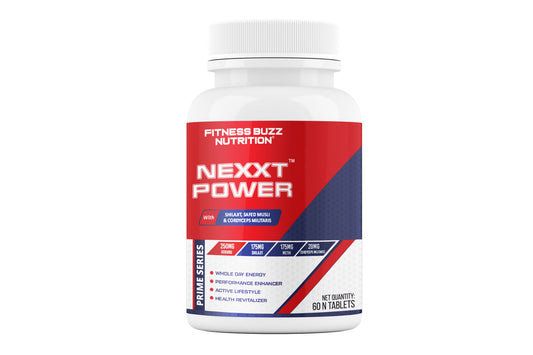
We also offer FB Nutrition Nexxt Power, which we market for testosterone support. If you want to buy testosterone booster supplement, review its ingredients and suitability separately from an omega-3 product.
Is Omega-3 Safe? Side Effects & Precautions
Omega-3 supplements can be suitable for many adults when used as directed, but they can cause side effects and may interact with medicines. The dose, product and your health circumstances all affect suitability.
What Are the Common Side Effects of Omega-3?
Common side effects of fish oil include a fishy taste, burping, heartburn and stomach discomfort. Follow the product directions and seek advice if symptoms persist.
Can You Take Too Much Omega-3?
Yes, taking too much omega-3 can increase health risks, particularly with high-dose supplements. Do not increase the dose simply because you hope for a stronger effect.
Can Omega-3 Interact With Medicines?
Yes, omega-3 supplements can interact with some medicines. Check with a healthcare professional if you take regular medication before adding a supplement to your routine.
Who Should Talk to a Healthcare Professional First?
People with a medical condition, those taking medication and anyone considering a high-dose omega-3 supplement should seek advice first. This helps establish whether the product and dose are appropriate.
Frequently Asked Questions About Omega-3
Omega-3 is a family of fats found in foods and supplements, and choosing a source depends on the type of fat it supplies and your needs. Here are direct answers to common questions.
What is omega-3 and what does it do?
Omega-3 is a family of fats that supports normal cell functions, including processes involving the heart, brain, eyes and inflammatory response.
What are the three types of omega-3?
The three main types of omega-3 are ALA, EPA and DHA.
What is the difference between omega-3 and fish oil?
Omega-3 is a family of fats, while fish oil is one source of EPA and DHA.
Does fish oil contain omega-3?
Yes, fish oil contains EPA and DHA. Their amounts should appear on the product label.
Is omega-3 good for heart health?
Yes, omega-3 has a role in heart health, and EPA and DHA can lower triglycerides. Supplements should be considered within your overall diet and health plan.
Can omega-3 support joint health?
Omega-3 may support joint health in some circumstances, but it will not address every cause of pain.
Does omega-3 help with inflammation?
Yes, EPA and DHA help regulate inflammatory processes. That does not make fish oil a treatment for every inflammatory condition.
How do I choose a good omega-3 supplement?
Check the EPA and DHA amounts, serving size, source, ingredients and directions. A product that suits one person may not suit another. The same is true when looking for the best multivitamin supplement online.
What is the difference between EPA, DHA and ALA?
ALA mainly comes from plant foods, while EPA and DHA are long-chain fats found mainly in marine sources. Your body converts only a limited amount of ALA into EPA and DHA.
How much omega-3 should I take per day?
There is no universal EPA-plus-DHA dose for every adult. Your diet and health circumstances help determine an appropriate intake. For ALA, the adequate daily intake is 1.6 g for adult men and 1.1 g for adult women.
What is the best time to take omega-3?
Take omega-3 at a time that fits your routine and follows the product directions. Taking it with a meal may help with stomach comfort.
Can I take omega-3 every day?
Yes, many products are designed for daily use at the stated dose. Check with a healthcare professional if you take medication or have a health condition.
What foods are high in omega-3?
Fatty fish such as salmon, sardines and mackerel provides EPA and DHA. Flaxseed, chia seeds and walnuts provide ALA.
Is fish oil better than plant-based omega-3?
Neither is universally better; they provide different types of omega-3. Fish oil supplies EPA and DHA directly, while most plant foods provide ALA. Algal oil is another option for obtaining DHA or EPA and DHA without fish.

