




Creatine for Strength & Workout Performance: What You Should Know

Creatine is a naturally occurring compound stored mainly in muscle cells, where it helps support energy production during demanding physical activity. It has become a popular choice for people focused on creatine for strength, workout performance and better training output.
Dr. Vijay Jotwani, a sports medicine doctor at Houston Methodist, stated:
“Creatine's benefits come from what it helps you accomplish in the gym, whether that's lifting heavier weights, completing more reps or finding explosive speed. Your body then responds to this by building more muscle. Creatine may also make the repair process work more efficiently as muscle rebuilds.”
This makes creatine a vital supplement for people focused on strength, power and workout performance. When combined with consistent resistance training, it can help support the repeated high-intensity efforts needed to make progress in the gym. In this blog, we will dive into the working and benefits of creatine in enhancing fitness.
How Does Creatine Work?
Creatine helps muscles regenerate adenosine triphosphate, or ATP, during short-duration, demanding activity. ATP provides the immediate energy needed for muscle contractions, but its supply is limited. Phosphocreatine stored in the muscles helps replenish ATP so the muscles can continue producing force during intense efforts.
This becomes particularly useful during activities such as weightlifting, sprinting, jumping and repeated resistance-training sets. By increasing muscle creatine stores, supplementation can support repeated high-intensity efforts and help maintain strength and power output during training. Research supports creatine's role in improving high-intensity exercise capacity and training adaptations.
For people interested in creatine for workout performance, the key point is simple: creatine does not provide energy like a stimulant. Instead, it supports the body's existing energy system that powers short, intense efforts.
How Can Creatine Support Strength & Workout Performance?
Creatine's strongest performance applications are linked with resistance training, strength work and short-duration, high-intensity activity. Research has found improvements in strength and power when creatine is combined with appropriate exercise training.
Improved Strength and Power
Creatine can support improvements in strength and power during resistance training. Higher muscle creatine availability helps replenish ATP during demanding sets, allowing users to perform more work at a given intensity.
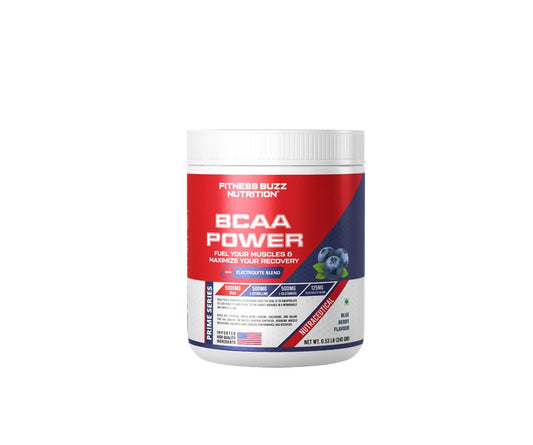
Over time, being able to maintain training quality can contribute to better adaptations. Recent research also supports improvements in several measures of muscular strength and power when creatine is combined with resistance training. A BCAA supplement can also be included in a fitness nutrition plan, particularly when an individual is looking to increase their intake of branched-chain amino acids alongside adequate dietary protein.
Better Workout Performance
Creatine can support workout performance by helping muscles maintain energy availability during repeated intense efforts. This can be useful when a session includes heavy compound lifts, repeated sets or exercises requiring short bursts of power.
People looking to buy creatine online should focus on the ingredient, serving information and product quality instead of choosing a product based only on marketing claims.
Support During High-Intensity Exercise
Creatine is particularly relevant to activities that involve short, intense bursts of effort. Weight training, sprinting, jumping and repeated intervals can place a high demand on the phosphocreatine energy system.
Supplementation increases muscle creatine stores, which can help support performance during these demanding efforts.
Faster Recovery Between Sets
Creatine may help support repeated performance across sets by assisting ATP regeneration between intense efforts. This does not mean it instantly removes muscle fatigue, but it can help maintain training output when a session involves repeated hard sets. As the best creatine supplement, FB Nutrition’s King Creatine helps you achieve faster recovery times in a single workout, maximising each session.
Supports Cognitive Function
Creatine's role is not limited to skeletal muscle because the brain also uses creatine in its energy metabolism. Research into cognitive effects is ongoing, with results varying by population and situation. It is better viewed as an area of developing evidence rather than a guaranteed cognitive enhancer.
Who Can Benefit From Creatine?
Creatine can be useful for people whose training involves strength, resistance or repeated high-intensity efforts. Its practical value is closely connected to the type of exercise being performed.
Athletes and Fitness Enthusiasts: People involved in strength training, resistance training, sprinting and sports with repeated bursts can benefit from creatine's performance-supporting effects.
High-Intensity Training Professionals: Individuals regularly performing demanding gym workouts, power-based training or repeated intense intervals may use creatine to support training capacity.
Training Beginners: Beginners starting structured resistance training can also consider creatine as part of a broader nutrition and exercise plan.
Creatine works best alongside consistent training, adequate nutrition, hydration and recovery. It is not a replacement for a well-planned workout programme. For people comparing different fitness supplements, our guide on "Whey Protein vs Creatine for Muscle Growth" can help explain how two supplements serve different roles.
Is Creatine Useful for Beginners?
Can beginners use creatine? How does creatine help with strength? For someone starting structured training, creatine can support repeated high-intensity efforts and strength development when paired with resistance exercise.
Creatine can fit well into a beginner's fitness routine, particularly when regular strength or resistance training becomes part of the plan. It can support the energy demands of demanding exercises while beginners gradually build strength, training capacity and consistency. A balanced nutrition plan also matters, with adequate protein supporting muscle repair and adaptation alongside training. If beginners are looking to buy whey protein powder online, then FB Nutrition can be the best choice for meeting protein needs when regular meals fall short.
With consistent training, balanced nutrition and proper recovery, creatine can be a useful addition to a beginner's fitness plan. Its role is to complement the work being done in the gym rather than replace good training habits.
Best Food Sources of Creatine
Creatine occurs naturally in animal muscle, making meat and fish the main dietary sources. Plant foods provide little to no direct creatine, while dairy products contain only small amounts.
Vegetarian Sources
- Milk: Provides a small amount of naturally occurring creatine, although the quantity is low compared with meat and fish.
- Paneer: A useful protein-rich food, but its direct creatine contribution is limited.
-
Curd: Can contribute protein and other nutrients, while its creatine content remains relatively small.
Non-Vegetarian Sources
- Fish: Fish such as salmon and herring are recognised dietary sources of creatine.
- Red Meat: Beef and other red meats provide naturally occurring creatine through muscle tissue.
For a broader look at nutrition around training, our guide on "Want to Build Muscles? Try These Top Post-Workout Supplements and Food Items Today" can help you get a detailed understanding.
Creatine for Different Training Goals
Creatine can fit different training styles, but its strongest evidence relates to activities requiring repeated high-intensity effort.
- Strength Training: Creatine can support strength and power during resistance exercises such as squats, presses and deadlifts.
- High-Intensity Workouts: It can help maintain energy availability during repeated intense efforts, including intervals and demanding gym sets.
- Sports Performance: Sports involving sprinting, jumping or repeated bursts can benefit from improved short-duration power capacity.
The benefit depends on consistent training rather than supplementation alone. A suitable diet and recovery routine remain important parts of performance. Those focusing on post-training recovery can also read our blog on the best supplements for muscle recovery for a wider look at supplementation choices.
Wrapping Up
Creatine has a strong place in sports nutrition because its benefits connect directly with strength, power and high-intensity exercise. By supporting ATP regeneration, it can help muscles handle repeated demanding efforts and maintain training quality.
The key is to pair supplementation with regular exercise, proper nutrition and adequate recovery. You can buy creatine monohydrate from FB Nutrition–your trusted brand for fitness supplements. We are dedicated to providing products that support performance and muscle growth. Take a look at our website to find the best supplements to suit your goals and start moving toward your fitness success. So why wait? Reach your full potential with FB Nutrition today.
Pro Tip: If you are looking to learn more about creatine and what it is, then our guide can provide a clear introduction for readers.
Frequently Asked Questions About Creatine for Strength & Performance
Does creatine help increase strength?
Creatine can support strength gains when combined with resistance training by increasing muscle creatine availability and supporting repeated high-intensity efforts.
Does creatine improve workout performance?
Creatine can improve performance during short, intense activities by supporting ATP regeneration and helping muscles sustain repeated high-effort work.
Is creatine useful for beginners?
Creatine can be useful for beginners who start structured resistance training because it supports energy availability during demanding exercise.
Who can benefit from creatine?
People involved in resistance training, strength work, sprinting and sports requiring repeated short bursts can benefit from creatine supplementation.
How does creatine support high-intensity exercise?
It increases muscle creatine stores, helping phosphocreatine contribute to ATP regeneration during short, demanding bouts of exercise.
Can creatine help with strength training?
Creatine can support strength training by helping muscles maintain energy availability during repeated sets and contributing to improved training adaptations over time.

